

Medium Roast vs Dark Roast: Which Is Less Acidic?
Last Updated: November 12, 2026
Quick Summary
Dark roast is usually less acidic to taste than medium roast, since longer roasting breaks down many of the fruity acids in coffee. Medium roast tastes brighter and more acidic, while dark roast tastes smoother and rounder. Medium roast vs dark roast is ultimately a matter of personal palate and brewing method.
- Roasting degrades many organic acids, so darker roasts generally taste less bright.
- pH, titratable acidity, and perceived sourness are three different measures and do not move together.
- Caffeine per cup depends mainly on how much coffee you brew, not the roast level.
- Brew method and serving size can influence acid load as much as roast level does.
- Compare a small medium and a small dark roast on separate days to see what suits your stomach.
Table of Contents
- Medium Roast vs Dark Roast: Key Differences in Acidity
- Acidity, pH, and Perceived Sourness: Why They Are Not the Same
- How Roasting Changes Coffee Acids and Flavor Profiles
- Medium Roast vs Dark Roast Caffeine: What Changes and What Doesn't
- Is Dark Roast Coffee Better for Acid Reflux?
- How to Reduce Acidity in Coffee Without Changing Roast
- Choosing Your Next Bag: Medium or Dark for Your Stomach and Palate
- Frequently Asked Questions
Medium Roast vs Dark Roast: Key Differences in Acidity
If you are asking which roast is less acidic, the short answer is that medium roast usually tastes brighter and more acidic than dark roast, while dark roast tends to taste smoother and rounder. The difference between the two styles is easy to notice side by side in a pour-over carafe.
Roasting breaks down many of the organic acids in green coffee. Light and medium roasts keep more of the fruity, sharp acids that give coffee its brightness. Longer, darker roasts burn many of those acids away and replace them with bittersweet, roasted flavors. That is why a dark roast often reads as "less acidic" to the palate, even though the chemistry is more complicated than that simple claim.
Medium roast suits drinkers who want bright fruit notes and some sweetness. Dark roast suits drinkers who want heavier body and chocolate or caramel tones. Neither roast is inherently better, but the one that tastes less acidic to you depends on your palate and your brewing method.
Acidity, pH, and Perceived Sourness: Why They Are Not the Same
"Acidic" gets used for three different things in coffee talk, and that is the root of most of the confusion around medium versus dark roast. Separating them makes the roast comparison far more useful.
pH is a chemical measure of how concentrated the free hydrogen ions are in the brewed liquid. It is read on a 0-14 scale, with lower numbers meaning more acidic. Brewed coffee generally lands on the acidic side of neutral, well above vinegar or citrus juice. pH tells you the strength of the acid present, not the amount.
Titratable acidity measures the total quantity of acid in the cup, how much base it takes to neutralize the acids present. Two coffees can share nearly the same pH and still differ widely in titratable acidity, because pH reflects acid strength while titratable acidity reflects acid load. This is the measure that tracks more closely with how much acid actually reaches your stomach.
Perceived sourness is what your tongue registers. It is a sensory judgment, not a lab number, and it depends on the acids present, their ratios, the coffee's sweetness and bitterness, the brew temperature, and even how recently you ate. A cup can be chemically acidic and taste balanced; another can be less acidic on paper and taste sharp because it lacks sweetness to round it out.
Here is why the three do not move together across roast levels. Longer roasting degrades many of the fruity organic acids, chlorogenic and quinic acids in particular, so titratable acidity generally falls as the roast darkens. But darker roasting also generates new bitter and roasted compounds and can concentrate certain acids as bean mass shrinks. The net effect on pH is smaller and less consistent than the effect on total acid, and the effect on perceived sourness is smaller still, because bitterness and body rise at the same time and mask brightness. That is the mechanism behind the common experience that dark roast "tastes less acidic" even when its pH is not dramatically different.
A qualified note on the numbers: published lab comparisons of pH and titratable acidity across roast levels vary by bean, brew method, water chemistry, and measurement technique. Treat any single figure as illustrative rather than definitive, and be skeptical of claims that one roast is universally "X percent less acidic."
Watch out: do not assume a lower pH number means a sharper-tasting cup. Bitterness, sweetness, and body all shape perception, so a dark roast with a similar pH to a medium roast can still taste noticeably smoother.
How Roasting Changes Coffee Acids and Flavor Profiles
During roasting, green coffee's chlorogenic acids and quinic acid break down as temperature rises. Citric and malic acids, which contribute fruity brightness, also decline in longer roasts. Acetic and other acids can form during roasting, adding different sharp notes.
For this reason, a light roast of a high-altitude Ethiopian coffee often tastes floral and citrusy, a medium roast tends toward caramel and red fruit, and a dark roast leans toward cocoa, toast, and smoky bitterness. The beans may come from the same farm and still taste very different after roasting.
Roast level is only one variable. Bean origin, processing method, and freshness all shape how acidic a cup tastes, sometimes more than the roast does.
The table below summarises how the main roast levels differ in flavour and acid character, as described above.
| Roast level | Typical flavour | Acid character |
|---|---|---|
| Light | Floral, citrusy | Bright, fruity acids remain |
| Medium | Caramel, red fruit | Balanced, some brightness |
| Dark | Cocoa, toast, smoky | Acids degraded, more bitterness |
Medium Roast vs Dark Roast Caffeine: What Changes and What Doesn't
Many people assume dark roast contains more caffeine because it tastes stronger. In fact, caffeine is fairly stable during roasting, and the amount per cup depends far more on how much coffee you brew than on the roast level.
If you are sensitive to caffeine, the amount you brew matters more than the roast. Brew ratio, grind size, and extraction time all change how much caffeine ends up in your cup.
Is Dark Roast Coffee Better for Acid Reflux?
Many people with reflux report that dark roast feels gentler on their stomach, and lower perceived acidity is the usual explanation. The honest answer is that the evidence is mixed, individual responses vary widely, and the mechanism is more complicated than "dark roast has less acid."
Start with the distinction that matters most here: the acidity you taste and the acid your stomach responds to are not the same thing. Perceived sourness is a sensory experience shaped by sweetness, bitterness, and aroma. Stomach comfort depends on how much acid actually reaches your gut, how your lower esophageal sphincter behaves, and how your individual stomach responds. A coffee that tastes smooth can still deliver a meaningful acid load, and a bright-tasting cup does not automatically trigger symptoms.
What the research suggests, in qualified terms: dark roast generally has lower titratable acidity than medium or light roast because longer roasting degrades chlorogenic and quinic acids.
Other factors often matter more than roast level. Brew method changes the acid profile, cold brew and paper-filtered pour-over tend to produce gentler cups than unfiltered methods. Brew strength matters too: a small, weaker cup delivers less total acid than a large, strong one regardless of roast. And individual triggers vary; some people react to caffeine, others to the volume of coffee, others to drinking on an empty stomach.
A practical approach if you are sensitive: try a small cup of a medium roast and a small cup of a dark roast on separate days, brewed the same way, and note how each feels. Keep the rest of your routine constant so you are comparing the roast rather than a dozen other variables. If symptoms persist or worsen, talk with a doctor before making larger dietary changes, reflux can have causes that coffee adjustments will not address.
Watch out: do not assume a dark roast is automatically safe for reflux just because it tastes smoother. If a cup triggers symptoms, the roast level may not be the culprit, try a smaller serving, a filtered brew method, or a lower-caffeine option before concluding that coffee itself is the problem.
How to Reduce Acidity in Coffee Without Changing Roast
If you prefer medium roast but want a smoother cup, you can adjust your brewing rather than switching beans. Try these steps:
- Use water just below boiling, around 195 to 200°F, to avoid over-extracting bright acids.
- Adjust your grind size coarser if the cup tastes sharp.
- Keep your brew ratio around 1:16 to avoid an overly strong cup.
- Brew with a paper filter, which catches more oils and fines than a metal filter.
- Choose freshly roasted beans, since stale coffee can taste harsher.
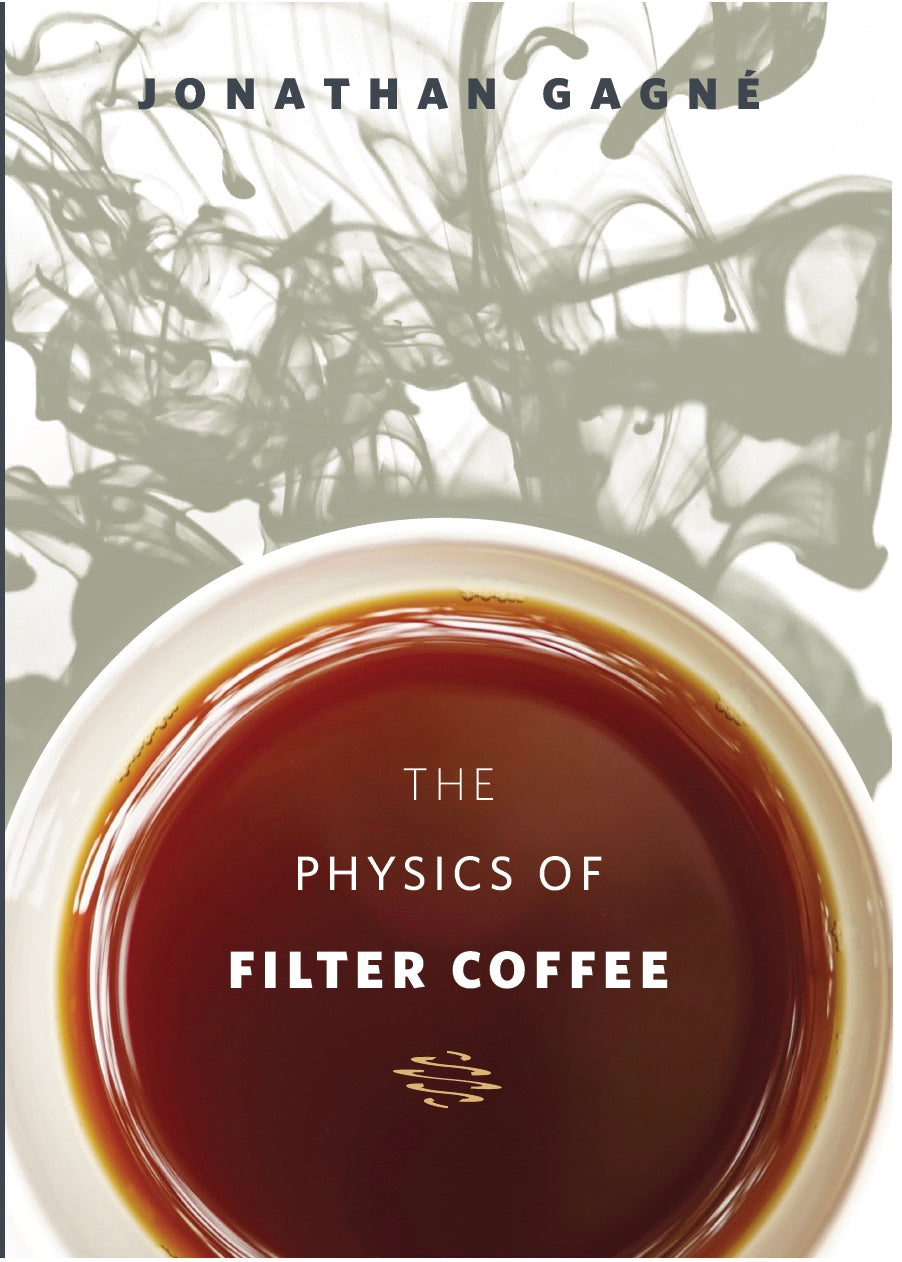
For a deeper understanding of how brewing physics affects extraction, Jonathan Gagné's research on filter coffee physics is a useful reference, and our shop carries The Physics of Filter Coffee by Jonathan Gagné for $45.00 if you want to read more.
Choosing Your Next Bag: Medium or Dark for Your Stomach and Palate
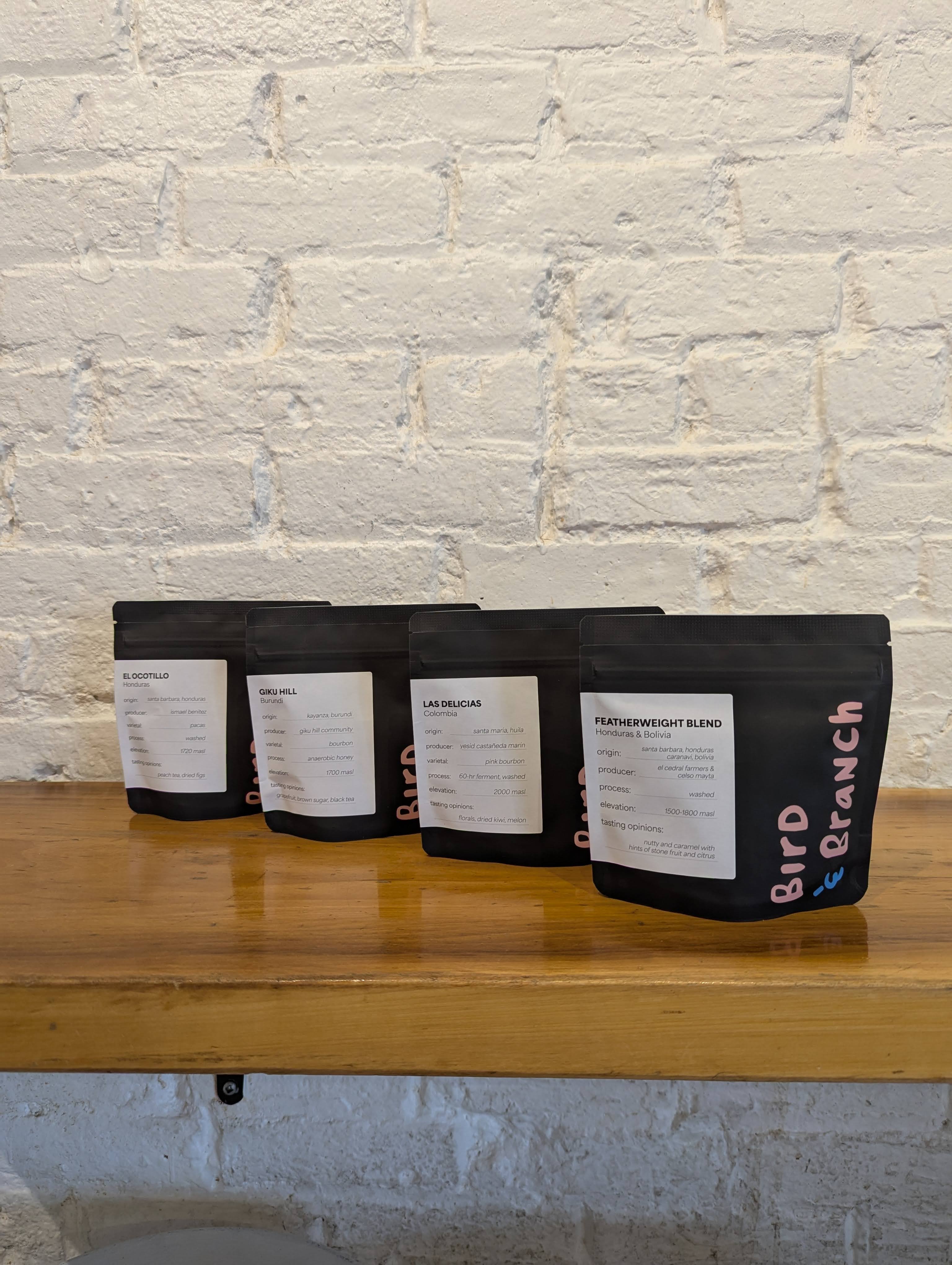
Choose medium roast if you enjoy bright, fruity flavors and can tolerate some acidity. Choose dark roast if you want a heavier, smoother cup and have a sensitive stomach. If you are unsure, our Coffee Sampler Set lets you try four 3 oz bags for $28.00, which is a practical way to compare roasts side by side before committing to a full bag.
BUTTON: Taste Both Roasts CARD_TITLE: Which roast fits your palate? CARD_TEXT: Bird & Branch roasts and brews specialty coffee in New York City, with every purchase supporting our job-training program.
Frequently Asked Questions
Is dark coffee more acidic than medium roast?
Not in the way most people expect. Roasting breaks down many of the organic acids in green coffee, so darker roasts often have lower total acidity and their brewed coffee tends to read as less sharp. However, dark roasts can taste bitter or heavy, and the chemical measurements of acid and pH do not always match how sour or bright a cup tastes. A medium roast from a bright, high-altitude origin can taste more acidic than a dark roast, even when the dark roast has less acid overall.
Does dark roast coffee taste less acidic than medium roast?
Usually, yes. Dark roasts taste smoother and less bright because the roasting process reduces fruity and citric notes and adds roasty, chocolate, and smoky flavors. Medium roasts keep more of the origin character, including the acids that create brightness. Brewing method and grind size also change how acidic a cup tastes, so a carefully brewed medium roast can taste smoother than a poorly brewed dark roast.
Is medium roast coffee better for you than dark roast coffee?
Neither roast is clearly better for everyone. Medium roasts generally contain slightly more chlorogenic acids and may taste brighter, while dark roasts are lower in those acids and often feel gentler on the palate. Digestive comfort depends on the individual. If you notice heartburn, the amount you drink, brewing strength, and time of day often matter more than roast level alone. Talk with a doctor if symptoms persist.
What roast is best for acid reflux?
The evidence specifically comparing roast levels for reflux is limited, and individual reactions vary. Try a dark roast, keep portions moderate, and avoid drinking coffee on an empty stomach or close to bedtime. If symptoms continue, speak with a healthcare provider.
