

Pour Over vs Espresso in NYC: Taste, Caffeine, and Price
Last Updated: November 21, 2026
Quick Summary
Pour over is a lighter, cleaner cup that takes about three to four minutes, while espresso is a small, concentrated shot pulled under high pressure in roughly 25 to 30 seconds. Pour over shows more of the bean's origin notes, and espresso delivers a bold, syrupy flavor that works well in milk drinks.
- Pour over uses gravity and a paper filter and brews in about three to four minutes.
- Espresso forces hot water through fine grounds at high pressure in roughly 25 to 30 seconds.
- A single espresso shot of about 1 ounce contains roughly 63 milligrams of caffeine on average.
- A typical 12-ounce pour over can contain well over 100 milligrams of caffeine, since you drink more liquid.
- Order espresso if you have under five minutes, and a pour over if you have ten minutes to taste the bean.
Table of Contents
- Pour Over vs Espresso: The Core Differences
- How Pour Over and Espresso Taste Different
- Espresso Flavor Profile: What Concentration Does to the Cup
- Caffeine in Pour Over vs Espresso, by Serving Size
- Side-by-Side: Brew Time, Price and Ordering in NYC Cafes
- Where to Find the Best Pour Over Coffee in New York City
- Choosing Your Next Cup at Bird & Branch
- Frequently Asked Questions
Pour Over vs Espresso: The Core Differences
Pour over coffee and espresso are two different ways to get a cup of coffee from the same beans, and they deliver very different drinks. Pour over uses gravity and a paper filter to brew a clean, layered cup in about three to four minutes. Espresso forces hot water through finely ground coffee at high pressure to produce a small, concentrated shot in roughly 25 to 30 seconds. That difference in method shapes everything else in the cup, from flavor to caffeine to price.
At Bird & Branch, we brew both styles because each one shows a different side of the same bean. Knowing which method fits your morning is the fastest way to order a drink you will enjoy. The rest of this guide covers taste, caffeine, price and where to find each style across New York City.
How Pour Over and Espresso Taste Different
Pour over tends to taste lighter, cleaner and more floral or fruity. Because the water passes through the grounds once and the paper filter catches oils and fine particles, the cup feels clear and the acidity stands out. Many drinkers describe it as tea-like, with the bean's origin notes coming through in layers.
Espresso tastes heavier and more intense. The high pressure pulls out oils and solids, which gives the shot a syrupy body and a thick crema on top. Roasts for espresso are often darker, so chocolate, caramel and roasted notes are common. Bitterness is more noticeable, especially in a straight shot, which is why many cafes serve espresso with milk or sugar.
Neither style is better in every case. If you want to taste what makes a Colombian or Ethiopian coffee distinct, pour over shows it more clearly. If you want a bold, concentrated flavor that holds up in a latte, espresso does that job well.
Espresso Flavor Profile: What Concentration Does to the Cup
Espresso is concentrated because a shot uses a small amount of water, usually about 1 to 2 ounces, extracted under pressure. Concentration amplifies sweetness, body and bitterness at the same time. A well-pulled shot balances these, but a shot that runs too fast tastes sour and thin, while one that runs too slow tastes harsh and burnt.
The flavor you get depends heavily on grind size, dose and extraction time. Small changes in any of these move the shot from balanced to off. This is why espresso is less forgiving than pour over. A pour over can recover from a slightly coarse grind with a slower pour, but an espresso shot has less room for error.
For most people, the concentration is the point. A single espresso delivers a strong flavor hit in a few sips, which is why it works as a base for milk drinks, where the intensity cuts through the dairy.
Caffeine in Pour Over vs Espresso, by Serving Size
Caffeine depends on the serving size, not just the brewing method. A single espresso shot, about 1 ounce, contains roughly 63 milligrams of caffeine on average. A typical 12-ounce pour over, however, can contain well over 100 milligrams, because you drink far more liquid.
Per ounce, espresso is more concentrated, while a pour over often has more total caffeine per cup. This matters when you order. A double shot in a latte gives you about 125 milligrams, which can be similar to or less than a large pour over.
Caffeine content also varies with the bean, roast and how much coffee the cafe uses. Darker roasts do not necessarily have less caffeine, despite the common belief. If caffeine is your main concern, ask the barista about the dose and serving size before you order.
Side-by-Side: Brew Time, Price and Ordering in NYC Cafes
A useful comparison starts with what actually lands on the counter. That difference in serving size is the single biggest reason the two drinks feel so different in the hand and on the bill.
Time.
Value. Per ounce, espresso is the more concentrated purchase; per cup, pour over gives you more liquid to sip and often more origin detail. Neither is automatically the better deal. The honest comparison is cost per enjoyable minute: a shot you savor in two minutes and a pour over you nurse for fifteen are different products, and the menu price reflects that.
Where to Find the Best Pour Over Coffee in New York City
New York City has many cafes that focus on manual brewing, and the best ones explain their beans and brewing methods clearly.
Bird & Branch is a locally roasted specialty coffee roaster and cafe in New York City, and we operate as a social enterprise with a job-training program for people facing barriers to employment. You can learn more about the origin-focused coffee we brew in our guide to how to brew specialty coffee in 2026, step by step.
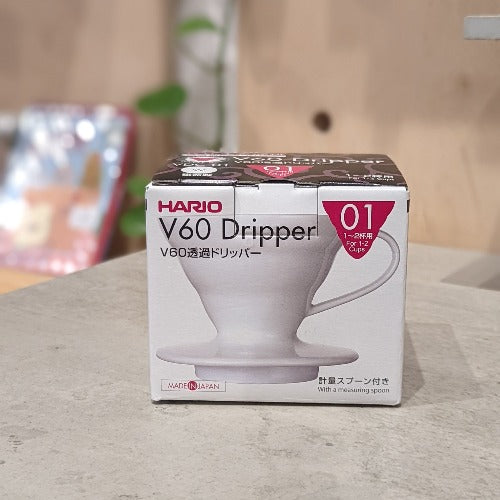
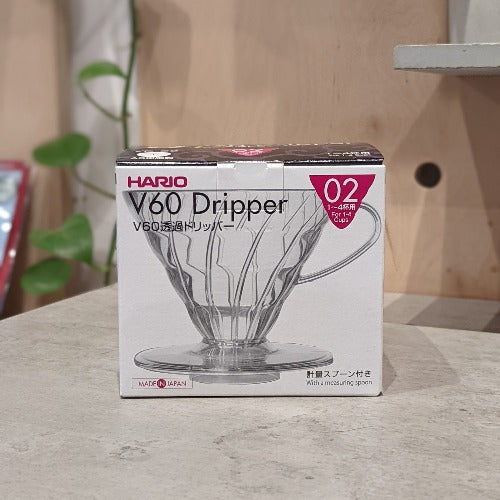
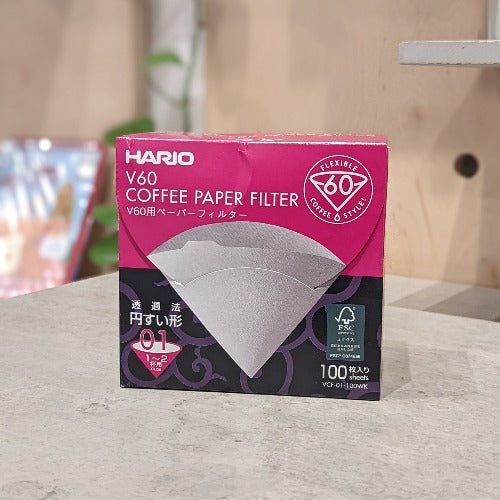
If you want to try pour over at home, you need the right equipment. Start with a ceramic or plastic dripper, paper filters sized to match it, and a good grinder. The V60 Ceramic Dripper Size 01 suits one to two cups, and the Hario V60 Plastic Dripper Size 02 is a lighter, lower-cost option for home brewing. Pair either one with V60 01 Paper Filters sized for your dripper.
Choosing Your Next Cup at Bird & Branch
A decision guide beats a description. Use three questions in order: how much time do you have, what flavor do you want, and what will you be doing while you drink it.
If you have under five minutes, order espresso or a milk drink built on it. This is the right call before a train, a meeting, or a walk.
If you have ten minutes and want to taste the bean, order a pour over. Ask which single origin is on the pour-over list. Sip it black first, then decide whether you want it as-is.
If you want a milk drink but still want origin character, order a smaller milk drink rather than a large one. A cortado or a small latte keeps the espresso ratio high enough that the bean still shows through the milk; a large drink dilutes it.
If you are comparing the two methods for the first time, order a single espresso and a small pour over of the same or a similar bean, and taste the espresso first. The concentration will make the pour over taste lighter and more tea-like by contrast, which is the clearest way to feel the difference rather than read about it.
If caffeine is the concern, remember that a 12-ounce pour over usually carries more total caffeine than a single shot, even though the shot is more concentrated per ounce. A double shot in a milk drink lands in a similar range to a smaller pour over. Ask about dose and serving size if you are sensitive.
If you want to explore at home, an Aeropress Coffee Maker Original is a forgiving way to experiment with grind and ratio before committing to a full pour-over setup.
Frequently Asked Questions
Is pour over better than espresso?
Neither is better across the board. Pour over is a filter method that produces a lighter, cleaner cup where acidity and floral or fruity notes stand out. Espresso is a pressurized shot, roughly 1 to 2 ounces, with a heavier body and more concentrated flavor. Choose pour over when you want to taste the origin and roast of the bean slowly, and choose espresso when you want a fast, intense drink or a base for milk drinks like a latte. Bird & Branch roasts its beans locally, so either method shows the coffee clearly.
Which has more caffeine, pour over or espresso?
It depends on the serving size. A typical 12-ounce pour over can contain more total caffeine than a single 1-ounce espresso shot, because the pour over is much larger. Ounce for ounce, espresso is more concentrated. A double shot contains more caffeine than a small pour over, so check the cup size when comparing. Caffeine varies with the bean, roast and brew ratio, so treat any single number as an estimate.
What is the 15-15-15 coffee rule?
The 15-15-15 rule is a brewing guideline suggesting 15 grams of coffee, 15 ounces of water and a 15-minute window, though many brewers adjust these numbers. For pour over, the coffee-to-water ratio and grind size matter more than any fixed rule. A finer grind slows extraction and makes the cup stronger, while a coarser grind speeds it up and lightens the flavor. Adjust one variable at a time and taste after each change.
How does pour over coffee taste compared with espresso?
Pour over tends to taste clean, bright and tea-like, with more defined acidity and a lighter body. Espresso tastes thick, syrupy and concentrated, with sharper bitterness and sweetness close together. Both methods reveal the bean, but pour over shows its nuance over a longer sip, while espresso compresses the flavor into a short, intense shot. Ask your barista which beans they are using, since origin and roast change the flavor far more than the method alone.
